
Currently Empty: $0.00

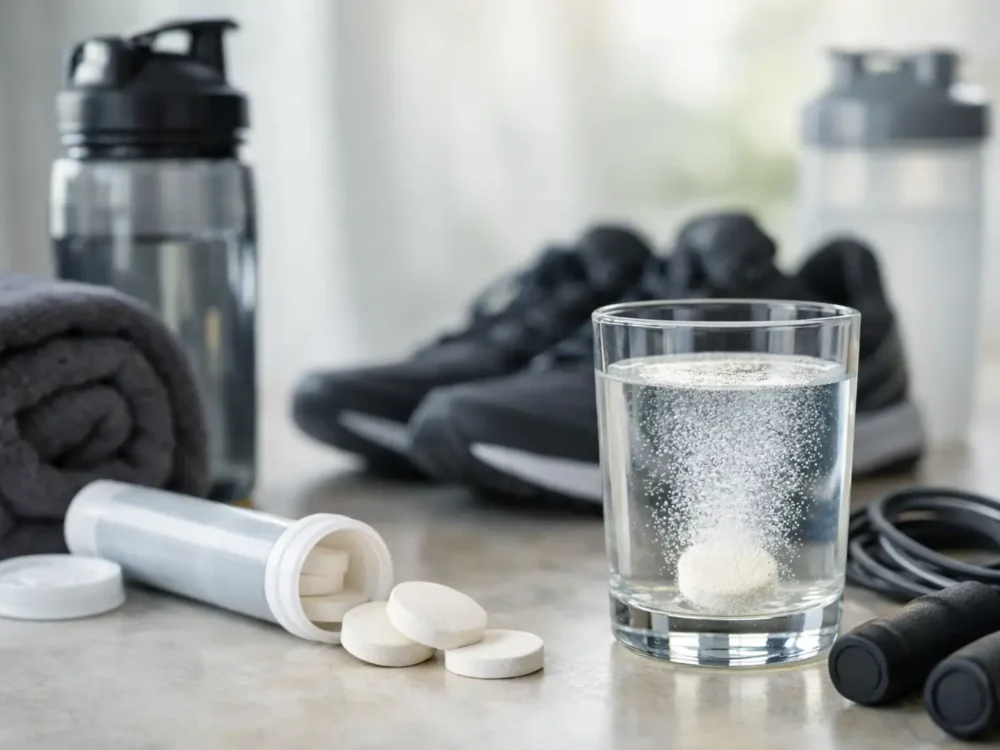
A hard workout can leave you with more than tired muscles. If your shirt is soaked, your legs feel heavy, or you are heading straight from the gym to a busy afternoon, hydration becomes part of recovery. So, are electrolyte tablets good after exercise? They can be – particularly after longer, hotter, or sweatier sessions – but they are not a requirement after every walk, weights workout, or casual class.
The useful question is not whether electrolyte tablets are universally “good.” It is whether your workout caused meaningful fluid and mineral losses, and whether a convenient tablet helps you rehydrate consistently. For many active adults, an effervescent tablet in water makes that routine easier to keep.
What You Lose When You Sweat
Sweat is mostly water, but it also contains electrolytes: minerals that help regulate fluid balance, nerve signaling, and normal muscle function. Sodium is usually the main electrolyte lost in sweat. Potassium, magnesium, calcium, and chloride also play roles in the body’s fluid and muscle systems.
When you exercise in a hot climate, train for a long duration, or simply tend to sweat heavily, replacing only water may not always feel sufficient. You may finish dehydrated, thirsty, headachy, unusually fatigued, or craving something salty. Those feelings do not diagnose an electrolyte deficiency on their own, but they can be practical signals that your post-workout hydration plan needs more attention.
Electrolyte tablets dissolve in water to create a drink with electrolytes, often with flavoring and sometimes vitamins. The format is simple: drop in a tablet, let it fizz, and you have a more appealing hydration option than plain water. That convenience matters when you are trying to build a repeatable recovery routine rather than rely on good intentions.
Are Electrolyte Tablets Good After Exercise? It Depends on the Session
An electrolyte tablet is most likely to be helpful after exercise that is prolonged, intense, or performed in heat and humidity. Think outdoor runs, cycling, tennis, hiking, field sports, hot yoga, endurance training, or a demanding gym session where you sweat heavily.
They can also make sense if you train twice in one day. In that case, your body has less time to eat, drink, and recover before the next session. Rehydrating with fluids and electrolytes after the first workout may help you start the next one in a better place.
For a short, moderate workout in comfortable conditions, water and your usual balanced meals are generally enough. If you spent 30 minutes lifting weights in an air-conditioned gym and had a normal amount of sweat, you probably do not need a specialized hydration product. Taking an electrolyte tablet is unlikely to be essential, and it should not replace regular water intake.
The practical middle ground is simple: match your hydration to your actual output. More sweat, longer exercise, and hotter conditions usually create a stronger case for electrolytes.
Why Sodium Matters Most After Sweaty Training
Not all electrolyte formulas are alike. Sodium deserves special attention because it is the primary mineral lost through sweat and helps the body retain the fluid you drink. A product with a long ingredient list but very little sodium may not be the best fit for serious post-exercise rehydration.
That does not mean more sodium is always better. Your ideal amount varies with the workout, climate, your personal sweat rate, and the rest of your diet. Someone completing a long run in humid weather may need a different strategy than someone doing a light mobility session at home.
Potassium and magnesium are worthwhile supporting nutrients, but do not choose a tablet solely because it contains them. Magnesium is often marketed for muscle comfort, yet post-workout cramps are not always caused by low magnesium. Fatigue, training load, inadequate fluids, and sodium losses can all be part of the picture.
If you have been told to limit sodium or potassium because of kidney disease, heart disease, high blood pressure, or a medication you take, speak with a qualified health professional before using electrolyte supplements regularly. Supplements are convenient, but they should fit your individual health needs.
Tablets vs. Sports Drinks: A Cleaner Everyday Option
Traditional sports drinks can be useful for long, high-output training, especially when carbohydrate fuel is needed during exercise. But many contain substantial added sugar, large bottles are easy to overconsume, and the sweetness may not suit an everyday routine.
Electrolyte tablets offer a more controlled option. You can prepare the amount of water you want, keep a tube in your gym bag or desk drawer, and avoid the sticky, overly sweet finish that some ready-to-drink products have. Many formulas are also designed with lower sugar or no added sugar, which can be a better match for people who have already eaten and only need hydration support.
There is still a trade-off. A low- or no-sugar tablet does not provide meaningful post-workout fuel. After a long session, especially endurance exercise, recovery also calls for carbohydrates and protein from food or a suitable recovery meal. An electrolyte drink handles hydration; it does not do every job.
How to Use Electrolyte Tablets After a Workout
Start with the label directions. Dissolve the recommended number of tablets in the stated amount of water, rather than making the drink extra concentrated. A stronger mix does not automatically hydrate you faster and may taste unpleasant or upset your stomach.
Drink it after training and continue sipping water through the next few hours according to your thirst. If you have a demanding session ahead, using electrolytes during exercise may be more useful than waiting until the end. For shorter workouts, drinking one afterward can simply be a convenient way to encourage fluid intake.
Pair your drink with real recovery nutrition when the workout warrants it. A meal with protein and carbohydrates supports muscle repair and replenishes energy stores. For example, eggs and toast, yogurt with fruit, rice with lean protein, or a smoothie can be more complete recovery choices than an electrolyte drink alone.
A helpful benchmark is your urine color later in the day. Pale yellow usually suggests you are reasonably hydrated, while persistently dark urine can mean you need more fluids. Clear urine all day is not the goal either – it may indicate that you are drinking more than you need.
Choosing an Electrolyte Tablet That Fits Your Routine
The best tablet is one you will actually use, with a formula that matches your training and preferences. Look for a clearly listed electrolyte profile, especially sodium content, rather than vague claims about “hydration support.” Check the serving size too. Some products list values for one tablet while others require two.
For everyday fitness, many people prefer clean-label options with sensible ingredients, no unnecessary sugar load, and flavors they genuinely enjoy. If you follow a vegan lifestyle or prioritize non-GMO and cruelty-free products, those quality markers can help narrow your choices without distracting from the basics of effective hydration.
Portability is another genuine benefit. A tube of effervescent tablets takes up little space in a work bag, travel pouch, or gym locker. Sterling Nutrition’s electrolyte effervescent tablets are designed for this kind of practical, on-the-go routine: add to water after a sweaty session, while traveling, or when plain water feels hard to finish.
Do not treat flavor as an afterthought. Hydration only works when you drink enough, and a light flavor can help make that easier. At the same time, if a formula causes bloating, stomach discomfort, or an overly salty taste you dislike, choose another option instead of forcing it.
A Smarter Way to Build Post-Workout Hydration
Electrolyte tablets work best as one part of a sensible recovery pattern: drink fluids, eat a nourishing meal, rest adequately, and adjust your approach when conditions change. They are particularly useful when sweat losses are high and convenience will help you follow through.
After your next hard, humid, or long workout, prepare a tablet in a bottle of water before you leave. That small habit can make recovery feel less like another task and more like a natural finish to training.